Tour Description

“From Inca engineering to living Andean tradition”

Embark on a fascinating journey through the legendary Sacred Valley of the Incas, a lush corridor of rivers, mountains, and ancient villages that still preserve the spirit of the Inca Empire. In just one day, you’ll explore breathtaking archaeological sites like Pisaq, Ollantaytambo, and Chinchero, while connecting with the vibrant traditions of the Andes—from ancestral weaving to community life.

Duration

Full-day (approx. 10–11 hours)

Difficulty

Easy / Moderate

Max Altitude

3,762 msnm (Chinchero)

Group Size

Maximum 15–20 people

Places

Pisaq (Ruins & Market), Urubamba, Ollantaytambo Fortress, Chinchero (Textile Center)

Tour Type

Cultural / Historical / Archaeological

Traveler Recommendations

• Sun hat, sunscreen, sunglasses

• Comfortable clothes and a warm layer for the evening

• Reusable water bottle

• Camera or phone

• Cash for crafts or snacks

Detailed Itinerary

01 Pisaq – Agricultural mastery and Andean craftsmanship
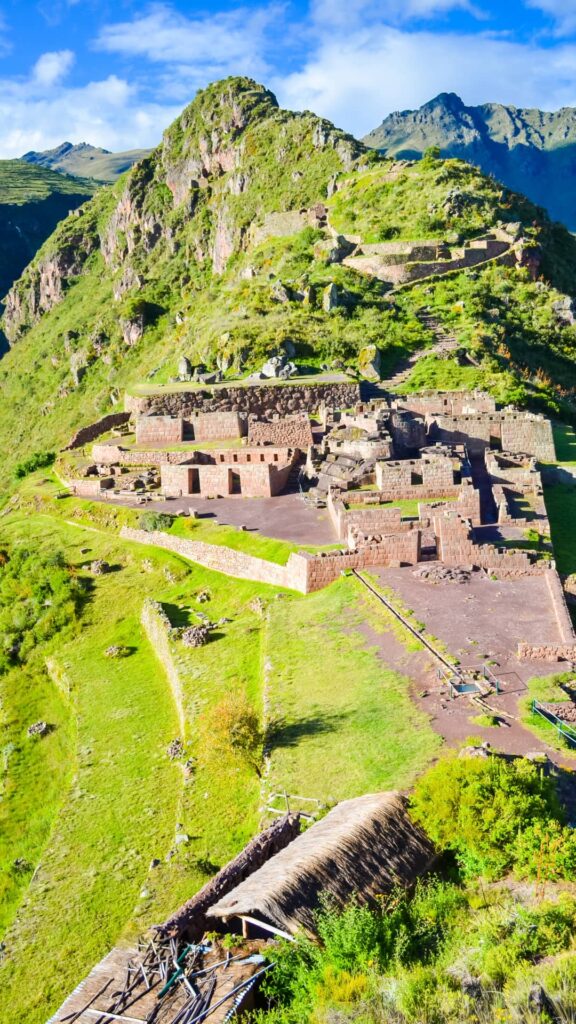
We begin our adventure at the impressive Pisaq archaeological complex, perched high on the mountain. Here, you’ll walk among endless agricultural terraces and explore ceremonial temples that reflect the Incas' deep connection to nature and the cosmos. Descending to the village, we visit the vibrant handicraft market, where local artisans display their woven textiles, ceramics, and silver jewelry. The colors and patterns of these handmade goods tell ancient stories of the Andes, encoded in traditional symbolism. From Pisaq, we follow the flow of the Vilcanota River through the fertile valley, journeying deeper into the heart of the Sacred Valley.
02 Urubamba – The valley's culinary soul
Surrounded by mountains and farmland, Urubamba welcomes us with its mild climate and fresh Andean air. Here, we enjoy a delicious buffet lunch featuring local ingredients like quinoa, giant corn, native potatoes, trout, and Andean meats. This is the perfect spot to relax and recharge before continuing our journey to a sacred Inca stronghold.
03 Ollantaytambo – Living fortress of the Incas
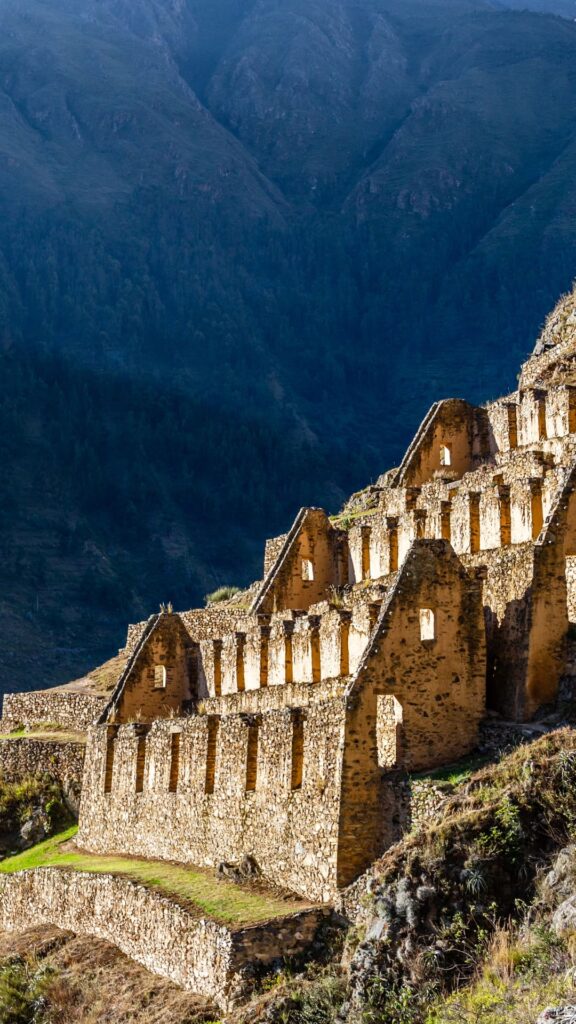
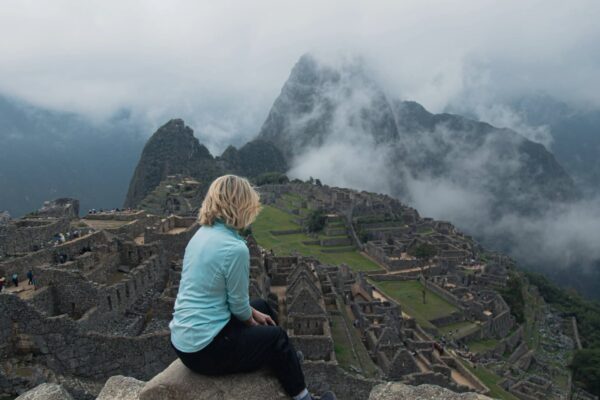
We arrive at Ollantaytambo, a unique Inca town that remains inhabited and nearly unchanged since ancient times. Its cobbled streets, flowing water channels, and stone houses reflect a perfectly preserved Inca layout. We'll explore the ceremonial fortress, built with massive, masterfully cut stones. From the Sun Temple at the top, enjoy panoramic views of the valley and feel the energy of the sacred Apus (mountain spirits). Ollantaytambo also serves as a key connection point for travelers heading to Machu Picchu where past and present meet. After this deep dive into Inca engineering and spirituality, we begin our return to Cusco, with a final cultural stop along the way.
04 Chinchero – Where time is woven by hand
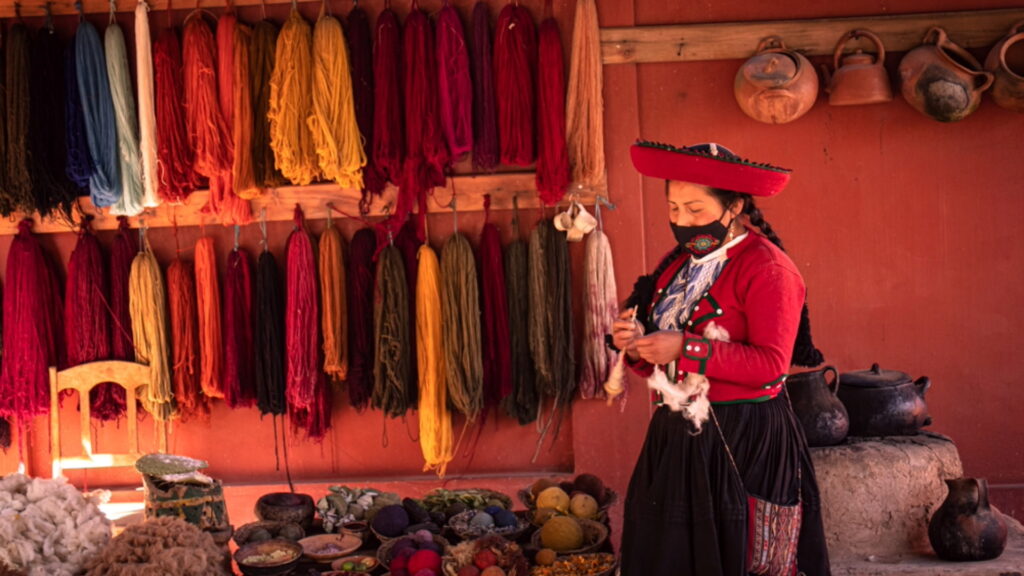
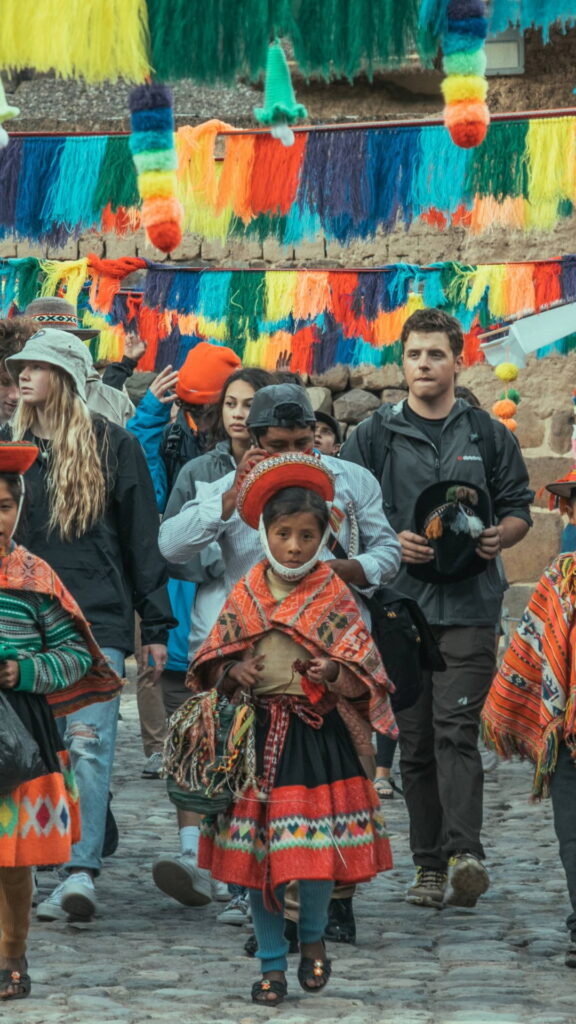
At over 3,700 meters above sea level, we arrive in Chinchero, known as the “rainbow village.” Here, we visit a local weaving community where women in traditional dress demonstrate the ancestral art of Andean textiles from spinning and dyeing with native plants and cochineal, to weaving symbols of nature and identity into vibrant fabrics.

What's Included

  • Tourist transportation
  • Professional bilingual guide
  • Entrance tickets (Partial Tourist Ticket)
  • Buffet lunch in Urubamba
  • Traditional textile demonstration in Chinchero

Not Included

  • Drinks
  • Tips
  • Personal purchases

Frequently Asked Questions

01 Is the entrance to the archaeological sites included in the tour price?
The tour typically includes the Partial Tourist Ticket (Boleto Turístico) required for Pisaq, Ollantaytambo, and Chinchero. However, please check if your specific booking covers it or if you need to purchase it at the first stop in cash
02 Can I end the tour in Ollantaytambo instead of returning to Cusco?
Yes! Many travelers choose to stay in Ollantaytambo to take the train to Machu Picchu later that evening or the following morning. Please inform your guide at the start of the tour so we can assist with your luggage.
03 What makes the textiles in Chinchero so special?
Chinchero is world-renowned for preserving ancestral techniques. You will see how local weavers use natural elements like cochineal (an insect) and volcanic stones to create vibrant dyes, a process that hasn't changed for centuries.
04 How is the physical demand of the Sacred Valley tour?
The difficulty is low to moderate. While there is walking involved at the ruins—especially the stairs at Ollantaytambo—you can explore at your own pace. The altitude is lower than Cusco (except for Chinchero), which usually makes breathing easier.
05 Is the buffet lunch in Urubamba suitable for vegetarians?
Absolutely. The buffet in Urubamba is quite diverse and features many local Andean superfoods like quinoa salads, various types of native potatoes, fresh vegetables, and fruits that are naturally vegetarian and delicious.